Craftsmanship, Challenges, and Specialist Skill
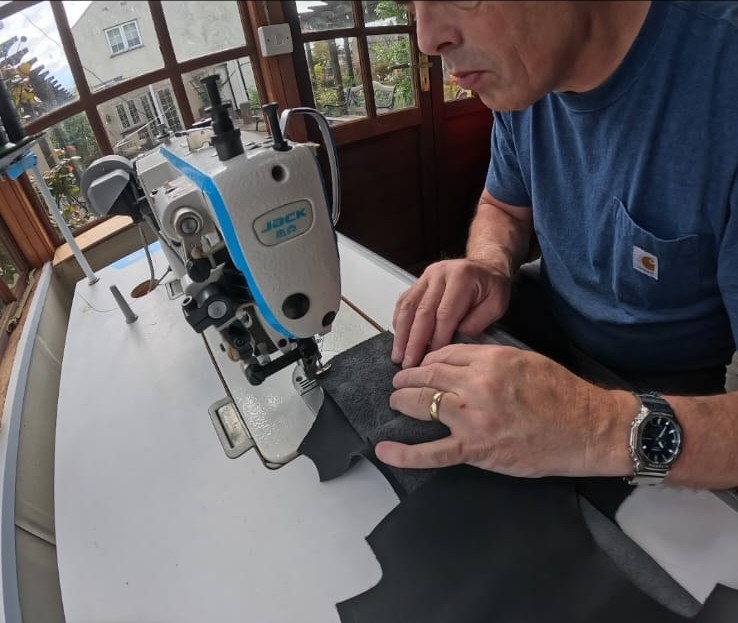
Automotive leather work is one of the most demanding disciplines in vehicle customisation and restoration. It brings together traditional handcraft, technical material knowledge, precision fitting, and an understanding of how an interior performs in daily use. Whether the work involves restoring a classic car’s original trim, repairing a worn driver’s seat, or creating a fully bespoke cabin, the standard is judged in the smallest details: the tension of the upholstery, the alignment of the stitching, the feel of the leather, and the durability of the finished result.
Leather has long been valued in automotive interiors for its appearance, comfort, and resilience. It can elevate a practical space into a refined environment, creating a sense of quality that few other materials can match. However, leather is not simply a luxury finish. It is a natural material with variations in grain, stretch, colour, and thickness. Working with it successfully requires skill, patience, and careful planning from the first measurement to the final stitch.
A professional automotive trimmer must begin by understanding the vehicle and the purpose of the interior. A restoration project may require historically accurate materials, colours, stitch patterns, and construction methods. A custom build may instead call for contemporary designs, contrasting thread, embroidered logos, perforated panels, or a combination of leather, Alcantara, vinyl, and other specialist materials. In both cases, the work must complement the vehicle while meeting practical requirements such as comfort, safety, cleaning, and long-term wear.
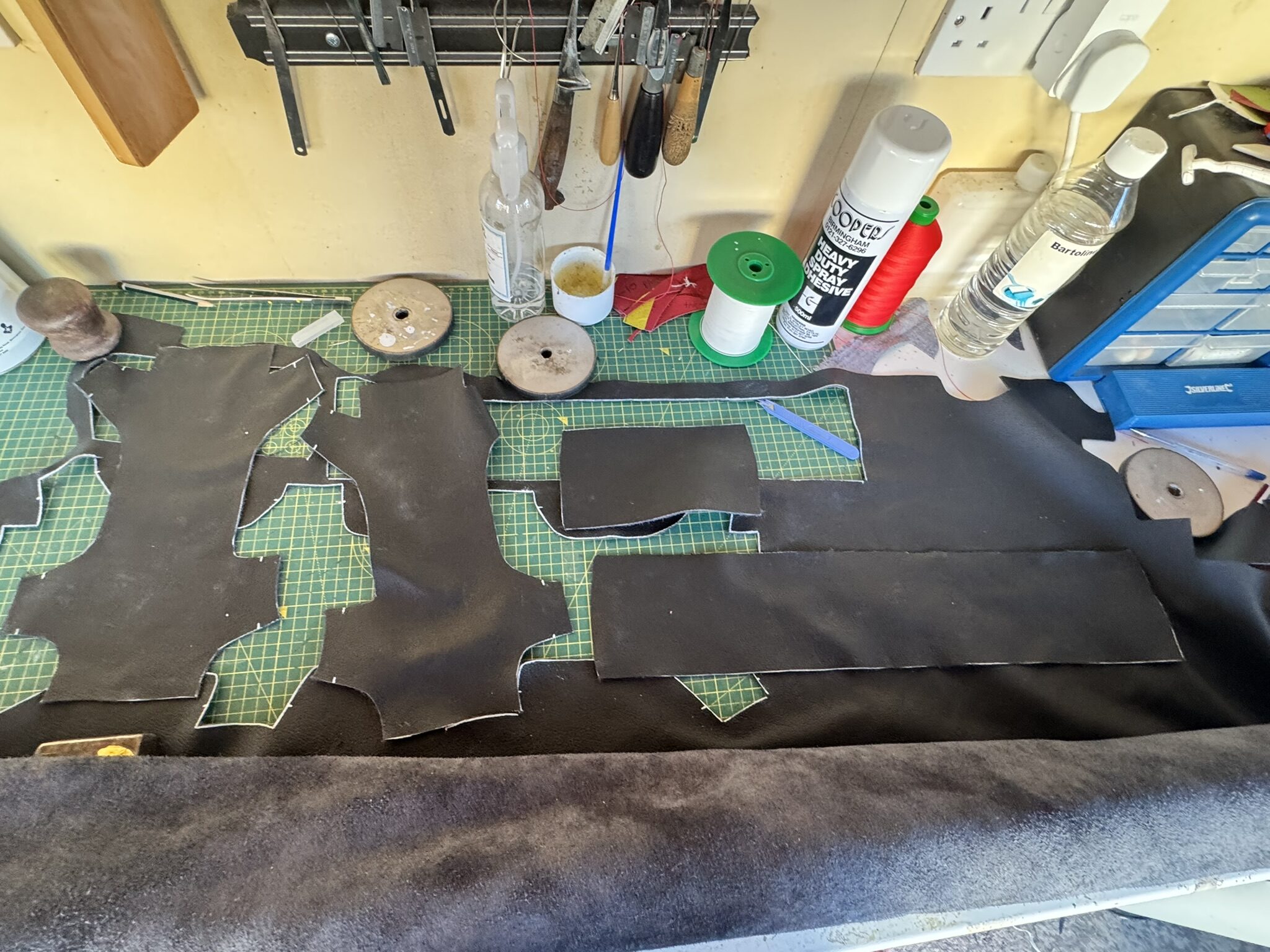
One of the most challenging aspects of automotive leather work is pattern making. Seats, door cards, dashboards, steering wheels, headliners, and consoles are rarely simple flat surfaces. They are shaped by foam, frames, curves, seams, cut-outs, and mounting points. Before leather can be cut, the trimmer must create accurate patterns that allow each section to fit naturally around these complex forms. Even a small error can lead to loose areas, excessive tension, uneven seams, or premature wear.
At Pride Car Customs, automotive leather work represents more than a change of upholstery. It is an opportunity to restore heritage, express individuality, and create an interior that feels as distinctive as the vehicle itself.